
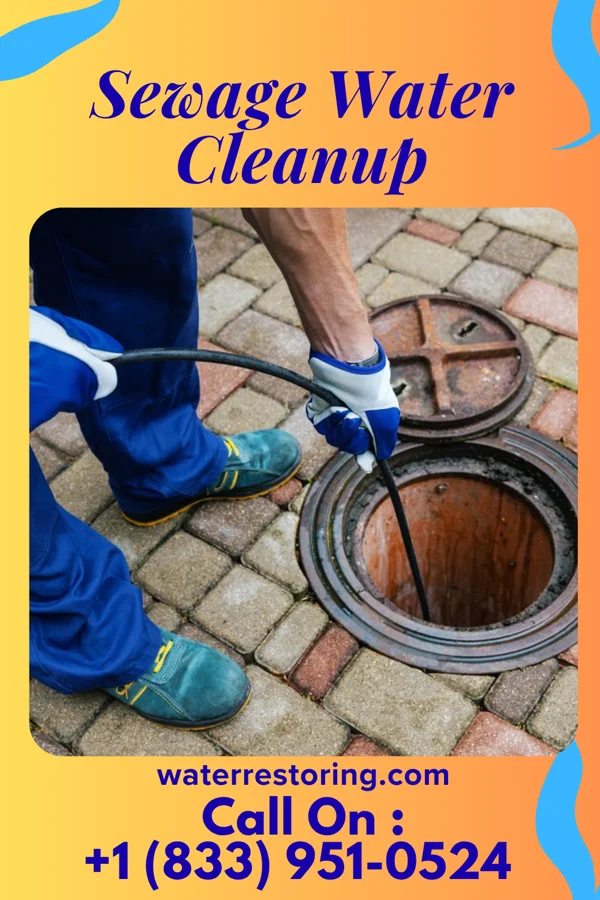
Why Sewage Water Hits Wrightsville Hard
The pattern in Wrightsville is consistent. Wrightsville, Georgia, experiences occasional sewage backups due to its rural layout and aging infrastructure. The small population and lack of dense commercial areas mean that when backups occur, they can be more severe and harder to manage due to limited immediate response resources. drives most of the emergency restoration calls we get.
The humid climate in Wrightsville contributes to faster mold growth after sewage incidents, increasing the need for rapid and thorough cleanup. Seasonal rainfall can also lead to groundwater seepage, complicating sewage water removal efforts.
The humid climate in Wrightsville contributes to faster mold growth after sewage incidents, increasing the need for rapid and thorough cleanup. Seasonal rainfall can also lead to groundwater seepage, complicating sewage water removal efforts. The dominant local driver is Wrightsville, Georgia, experiences occasional sewage backups due to its rural layout and aging infrastructure. The small population and lack of dense commercial areas mean that when backups occur, they can be more severe and harder to manage due to limited immediate response resources.. Blackwater exposure in Wrightsville poses serious health risks due to the presence of harmful bacteria and pathogens. Immediate cleanup is essential to prevent illness and long-term damage.